
Los libros leídos y revisados en 2025.
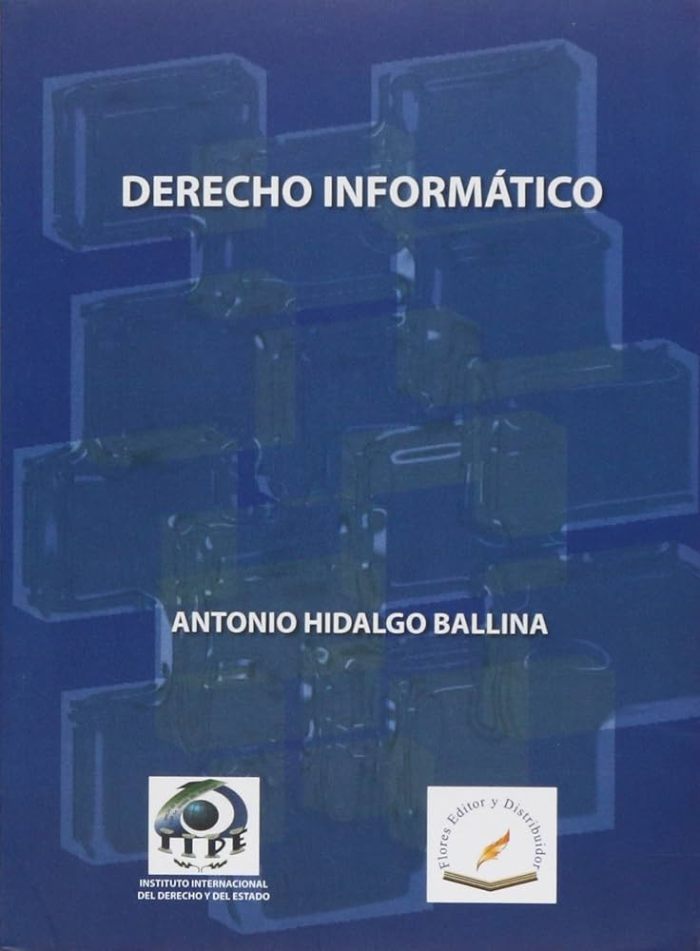
El boom que trajo la IA generativa (en particular a través de los LLM) me hizo interesarme en el asunto. Mi hija avivó el interés y el debate cuando me comentaba sobre las materias que podría llevar sobre informática. Este libro lo sacó de una de las bibliotecas de la UNAM para que lo revisara.
No dudo que para un jurista podrá parecer completo e interesante, pero no para un informático; es un libro ya obsoleto.
La obra busca dar una definición sobre lo que debe ser el «derecho informático» desde el punto de vista del Derecho, lo cual no está mal, pero es una visión parcial e incompleta. El mundo actual requiere la formulación jurídica del uso y la regulación de la informática y la computación desde un enfoque compartido.
Así que, para el «arcón de los recuerdos». Un libro sobre el que no tiene caso perder tiempo (y quien sabe si en algún momento tuvo su tiempo pues desde el punto de vista informático y de la computación era ya obsoleto en el 2013); un libro que ya no debería estar en las bibliotecas ni de servir de referencia para cualquier trabajo académico— a menos que sea de naturaleza histórica —(Marzo, 428 pp.).

«Si los Gatos Desaparecieran del Mundo«
Una lectura ligera. Algo para pasar el rato… y que pudiera convertirse en gusto culposo o arrepentimiento. Una lectura para salir de las complejidades del mundo y su retrato en tramas complejas. Si uno sólo quiere leer para pasar el rato, sin esperar nada adicional, más que sólo leer y apreciar la descripción del mundo, este libro bien puede proporcionarlo.
Una trama sencilla, escrita en un lenguaje simple, para un problema complejo, tratado de forma mundana. Para leerse una vez (Marzo, 144 pp.).
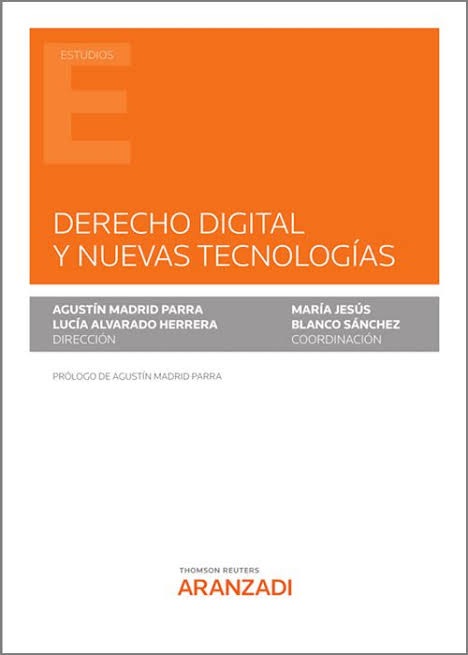
«Derecho Digital y Nuevas Tecnologías«
Avivado por el interés por las implicaciones de las nuevas tecnologías digitales en el Derecho, revisé este libro. A diferencia del anterior, vemos que las implicaciones y diversificación que han traído consigo las tecnologías digitales sólo pueden ser tratadas en forma de una compilación de trabajos como la que esta obra presenta.
Las dos primeras secciones, si bien están «al día», son temas de la cotidianidad. Interesantes y necesarias, pero no las llamaría de vanguardia.
Por su parte, las dos siguientes y últimas secciones abordan temas que son más de «frontera», quizás un poco detrás del desarrollo tecnológico, pero dejan ver las implicaciones de las tecnologías más recientes que han comenzado a moldear a la sociedad. Por mis propios intereses, la última sección la encontré extremadamente llamativa e interesante.
Obviamente, este es un libro de naturaleza académica. Un libro de consulta y referencia. Desafortunadamente, corresponde al punto de vista europeo. Escribo «desafortunadamente» porque México debería tener un pie por delante en esto y, la verdad, vamos varios pasos atrás en consideración a nuestro nivel de tecnificación (marzo, 1355 pp.)
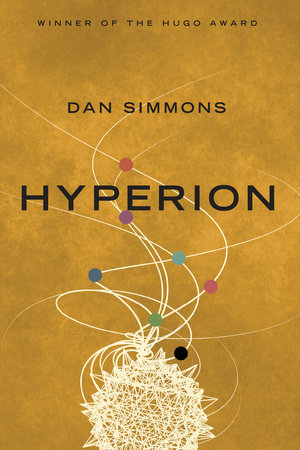
«Hyperion«
I acquired this book through the Kobe Store. EPUB format. Although I was not totally sure or convinced that this would be a good book, I tried to read it without any preconceived ideas, meaning I did not think about whether it was good or not.
I wasn’t totally convinced of the work until I finished several chapters, when the book finally caught my attention. After that, it was challenging to pause my reading to attend to other things.
As many readers, surely, I guess Dan Simmons loves poetry and especially John Keats, and it is quite nice how this admiration is being transmitted through a story that nothing (but at the same time everything) has to do with it. But yes, it’s a good book, but it’s just a part of something much, much bigger, and I’m right now (at the time when I’m writing this) that I’m looking for the sequel at the Kobo book store.
What can I say about this book that hasn’t been said or written? It is quite difficult to express something that one thinks is original, so I will just express my impressions, regardless of how they may be received. First, it is a complex work. It covers many fields, embracing them under a well-told story that can only be imagined but not fully appreciated in this book; you need to read the next one in the series (is it a series?).
Second, it is well written. I mean, not meaning or referring to the style or orthographic correctness, meaning that is expected for sure. What I mean is that the narrative is well balanced, describing what needs to be explained but without using an excess of adjectives or rhetorical figures, or exacerbating the scene with an extensive description that loses the reader in the process.
And, of course, third, the plot is consistent and well structured, just asking for the reader’s patience; let them assimilate the ideas on preparation for what is coming next. So, it is quite a recommendable lecture (January-April, 1278 pp.)
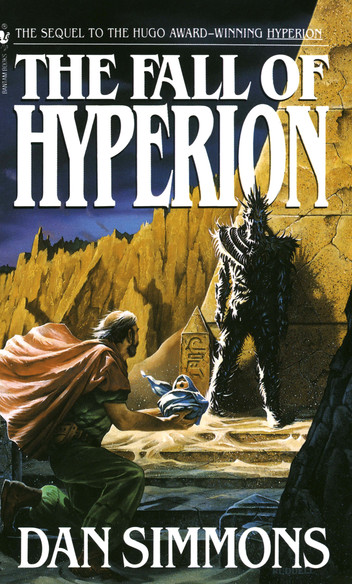
This book and its prequel kept me entertained from beginning to end, but «The Fall of Hyperion» was the perfect sequel and climax to a plot in which all its elements had already been laid out, but in which we couldn’t see how they would play out, as one element had yet to reveal its true face. Without a doubt, a work that could only have been told this way: in several volumes (although, in my opinion, it should have been three, as the confrontation seemed somewhat rushed), in which many questions are answered, but others are left open.
So, again, I’m facing the dilemma of what could be said about this book that hasn’t been said or written. So, as in the previous book, I guess that the best is just limiting myself to express my own impressions without preconceptions or trying to be original.
There is a noticeable difference between the narrative style of this book and its prequel. «Hyperion» is much slower in how the events are narrated, in the same way the plot implies (in the same way you can expect when a boring trip is evolving). The second book is much more agile, as you can expect in preparation for war.
Personally, I feel the narrative is somewhat accelerated. Certainly, many things have to be told, but I believe many things are sacrificed for that. Maybe a third book could have been a better option, but I think Simmons considered that it could be risky (April-July, 1576 pp.).
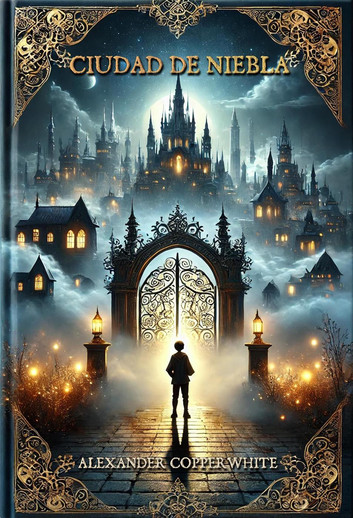
La verdad no tengo mucho que decir de este libro. Es una de esas obras que están disponibles para descarga en forma gratuita en la tienda de Kobo, por lo que tampoco esperaba gran cosa (julio, 61 pp).
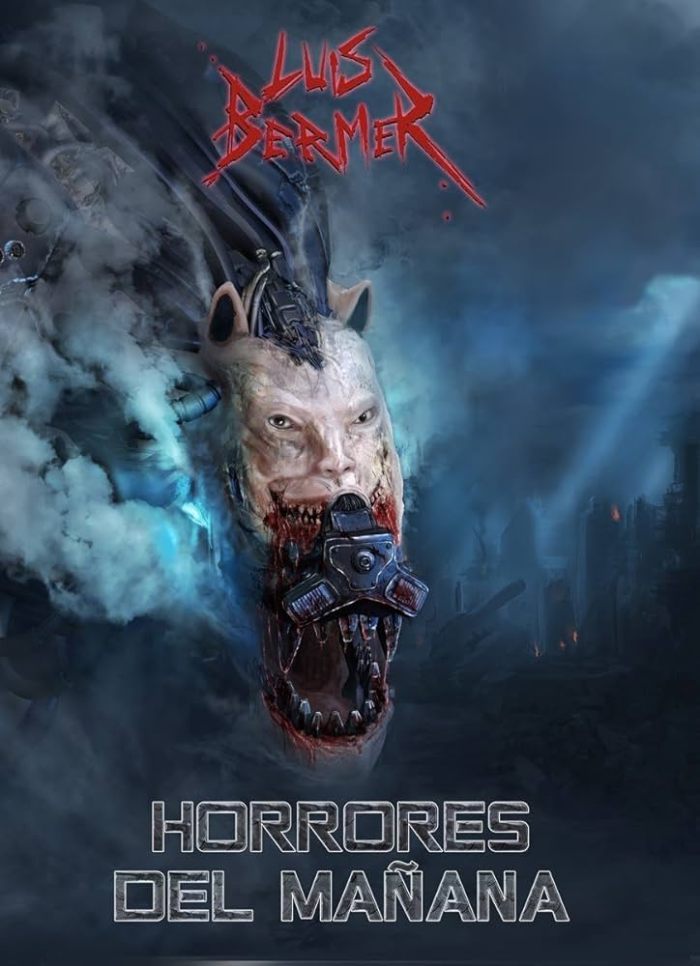
Otro libro para descargar gratuitamente en la tiendita del Kobo. Puede ser encontrado en Amazon también, donde se vende por un precio muy bajo.
Una compilación de historias breves alrededor de lo que yo diría que es ciencia ficción de terror o ciberpunk. Hay historias buenas… de hecho, no diría que hay historias malas pero no hay nada que podamos llamar excepcional en el conjunto de relatos. Para leerse una vez (julio, 61 pp).
«Tractatus Logico-Philosophicus«
Sí, sin lugar a dudas, una obra densa, muy densa, que parece atraer a muchos. Parece que gran parte de esta atracción (por lo que he llegado a saber) se debe a esas referencias al proceso cognitivo y al lenguaje (quizás por eso, en mi caso, esta obra salió en pláticas con psicólogos). Para la sorpresa de muchos (e imagino, también de todos estos profesionales de la psicología), resulta incomprensible. La verdad es que, salvo para Bertrand Russell y el propio Wittgenstein, dudo que sea digerible para alguien poco versado en lógica (agosto, 149 pp).
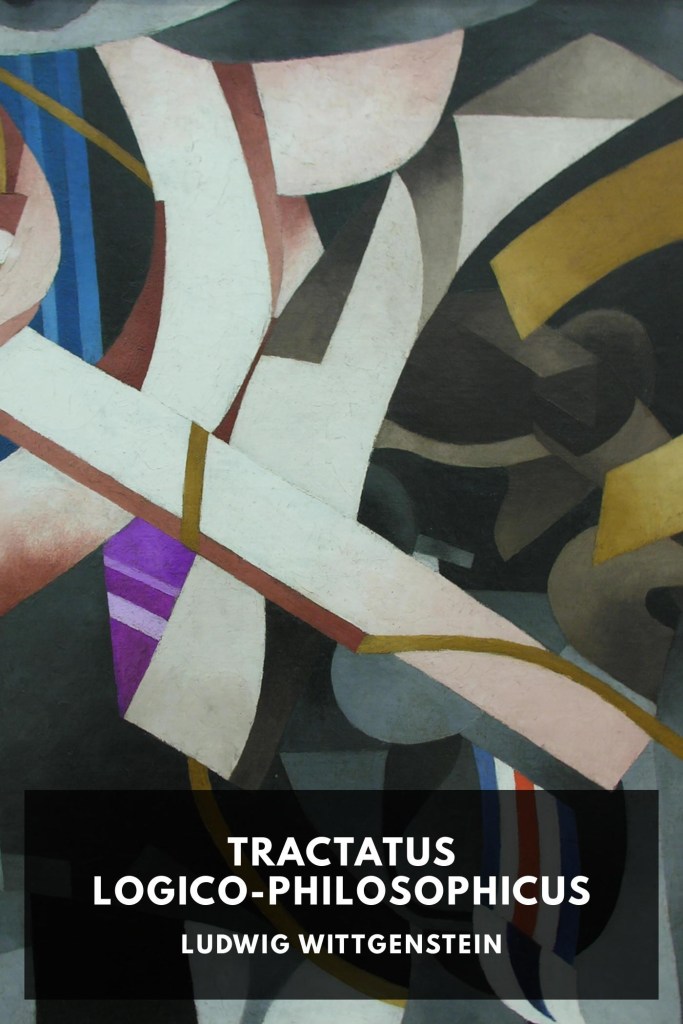
«Tractatus Logico-Philosophicus«
This is an English translation of Wittgenstein’s work. The Spanish version doesn’t include the annotation about the author’s numeration, which is necessary to understand the scope of each statement. Anticipating a possible mistranslation, I looked for this version. That was a fortunate decision because it allowed me to learn about and understand the notation system Herr Wittgenstein used (August, 52 pp.)
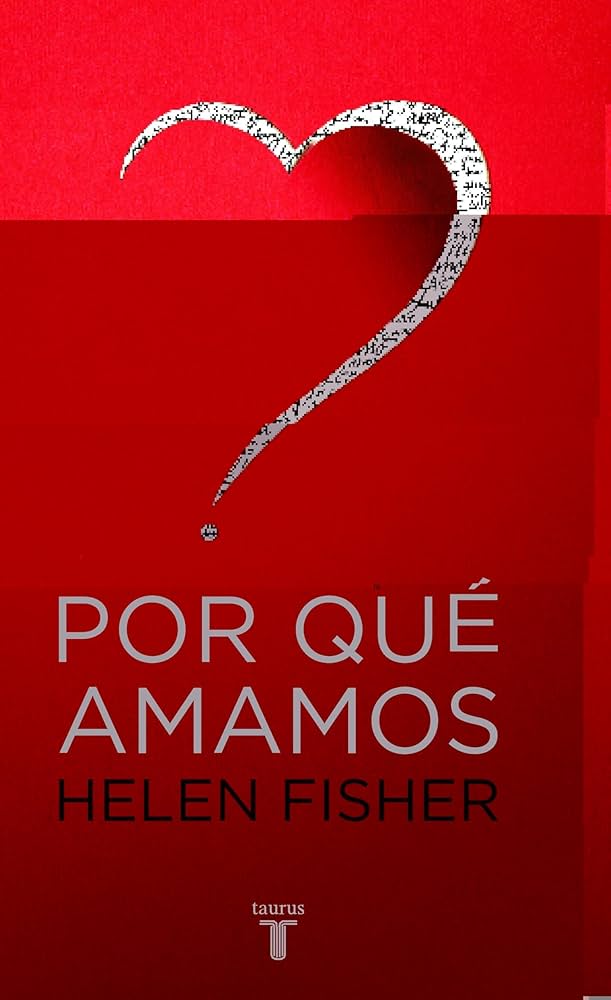
Ciertamente, no es el tipo de lectura que quienes siguen este blog podrían esperar, pero se trató de una «tarea». La asignación, de hecho, se centraba en un capítulo específico, pero surgieron algunas dudas y me pareció adecuado leer la obra completa para tener una mejor idea de lo que la autora buscaba expresar (para no quedarme limitado a una sola percepción a partir de un solo capítulo).
No estoy versado en trabajos de esta naturaleza (no sólo sobre el amor sino también sobre el estudio de las emociones), pero me llamó la atención que fuera una obra relativamente reciente. Uno pensaría que en pleno siglo XXI ya se contara con un mayor acervo en este tema.
También me llamó la atención la forma en la que describen los experimentos y cómo se llevó a cabo la conducción de la investigación, algo que creo que denota lo poco que conocemos sobre este fenómeno de la conducta animal.
La narración de este trabajo es muy amena, por lo que es fácil engancharse en el libro. Además, creo que se trata de un tema conocido por todas las personas (y aunque ellas mismas no hayan vivido todas esas variantes que se describen, seguramente conocieron a alguien que pudo haber manifestado alguno de estos casos extremos).
A mí me ha parecido interesante algo que se menciona sobre el uso de ciertos fármacos. Conforme avanzamos en la comprensión del cerebro y varios de sus procesos, desarrollamos fármacos para tratar ciertas afecciones, pero ignoramos el efecto de muchos de ellos sobre ese extraño aspecto de la mente: los sentimientos. Cursiosamente, la humanidad ha acumulado muchas historias y folclore sobre el embrujo, la desesperación y los efectos del amor, así como hechizos, encantos, pócimas y otras recetas para obtener los favores o la atención de alguien, u olvidar un amor no correspondido.
En fin, creo que es una obra que vale la pena leer en algún momento de la vida (septiembre, 348 pp).
«Solaris«
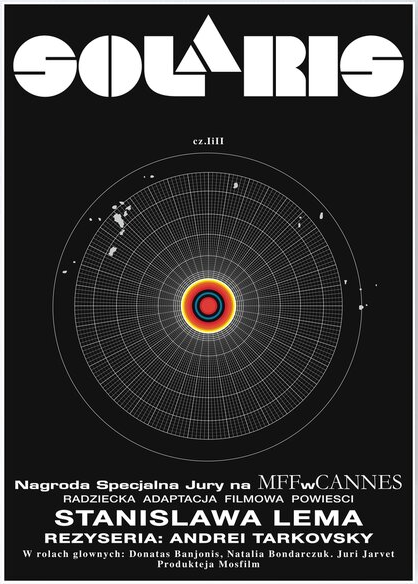
I asked ChatGPT for a good science fiction book, and «Solaris» was its recommendation. I was not sure about this recommendation when I started reading this book. At the end, I like it.
The story recounts a phenomenon occurring on a planet with a single, enormous ocean. This planet orbits a binary star system: a red giant and a blue dwarf. The stellar interaction causes gravitational perturbations on Solaris, whose ultimate stability can only be explained by the balance the ocean provides through its mass redistribution
The main character is the ocean of Solaris, which is presumed to be a sentient or conscious entity, given the artificial care dedicated to the planet’s orbit that cannot be explained without the mass distribution of the ocean across Solaris.
From my point of view, the more important thing is how the author proposes the existence of a consciousness quite different from the human one (August-November, 571 pp.).
«Generative AI and LLMs for Dummies«
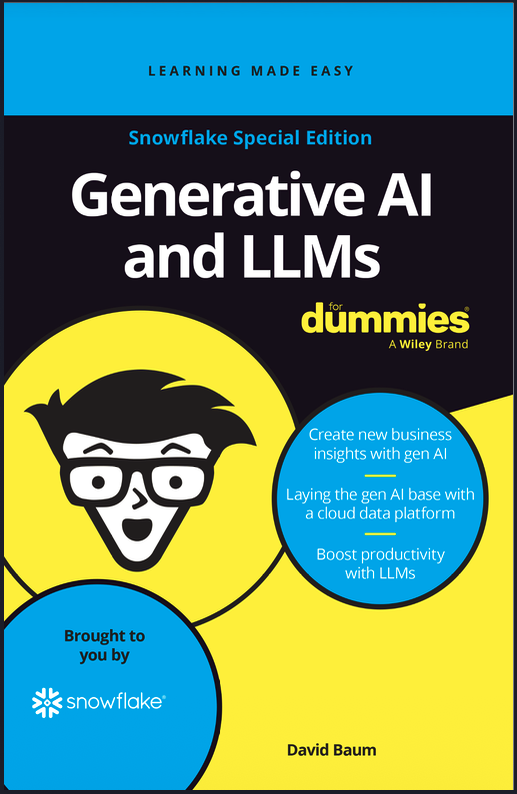
I got this booklet for free. As you can see on the cover, this is a special edition sponsored by Snowflake. Surely, the kind of book that every director, manager, or project leader reads and lets them declare «he or she is someone who knows about the subject».
The book states in the beginning that «the objective is to provide a technical foundation without ‘getting into the weeds,’ and to help bridge the gap between AI experts and their counterparts in marketing, sales, finance, product, and more.»
The content is not great, nothing technical, but as I say, in just a few pages, it covers many essential topics and provides an introductory overview to LLMs and gen AI applications, techniques for training and tuning, and related to deploying machine learning (ML) models. So, generally speaking, the books provide a general idea of the importance of data and how it enables the «gen AI model» to achieve the things you’re reading everywhere, what this can provide you, and also a general overview of what LLMs are.
I will not say it is worthless, nor is it worth reading once. It is convenient to read it once and then keep it in mind for a while, until you gain a much more solid foundation in the field and practical experience (November, 44 pp.).
Siguiente

 Dr. Edu